Opening BrowserStack to Enterprise Customers
At a glance
- The problem
- Developers adopted BrowserStack individually, but missing security controls and account administration prevented their organisations from buying and managing it at scale.
- The decision
- Design account controls, pricing and migration together so organisations could buy and manage a product their developers already used.
- My role
- Product Designer BrowserStack, 2017
- Worked with
- CEO, product manager, engineering and sales.
My contribution
- Used buyer research to prioritise single sign-on, account controls and usage reporting.
- Redesigned the pricing presentation and Enterprise landing page around security and procurement needs.
- Designed the product and communication experience for migrating 22,000 seats across three pricing versions.
Project outcomes
- The 2017 Enterprise edition added $3.6M in ARR within six months through new accounts and expansion.
- Approximately 0.01% of 16,900 customers reported a lack of clarity during the migration.
A product developers wanted, but companies could not yet buy at scale
In 2017, BrowserStack already had strong adoption among individual developers. Enterprise deals were stalling because organisations lacked the controls to secure accounts, manage users and understand usage. More testing features would not address those barriers.
The opportunity was to connect the developer experience with the needs of IT, security and procurement. Account controls, pricing and migration all had to work together for an enterprise customer to commit.
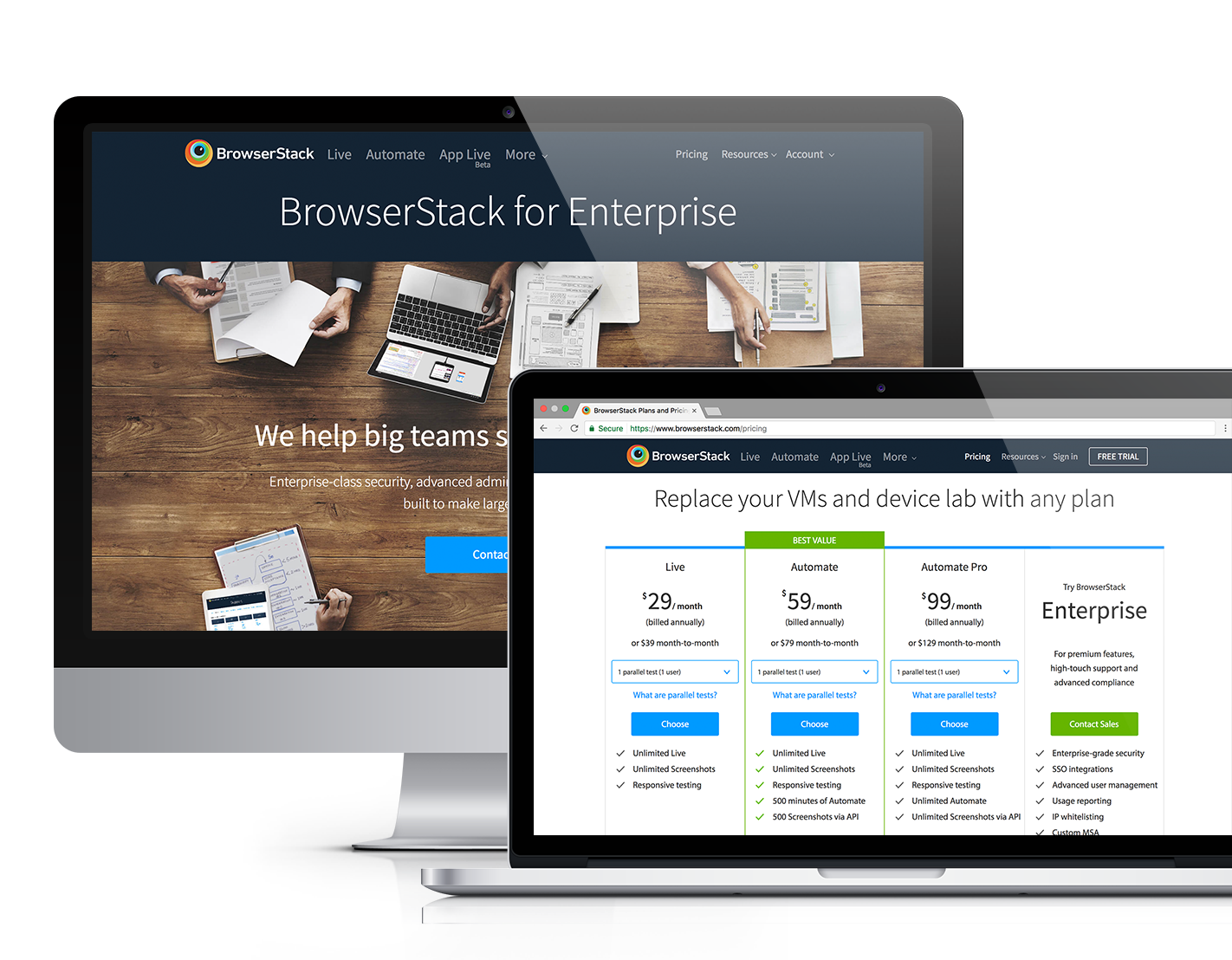 The Enterprise landing page and pricing experience helped buyers find and evaluate the offer.
 My Role
Working alongside the CEO and product manager, I led design for the Enterprise edition from buyer research through account controls, pricing presentation and migration. The work brought design together with engineering, which built the controls, and with sales and company leadership, which set pricing and closed deals.
Why Enterprise Deals Were Stalling
Four weeks of interviews with IT leaders, procurement directors and VPs of Engineering revealed widespread individual use of BrowserStack inside their companies, often paid for on expensed credit cards. IT teams needed a way to bring those accounts under central management while preserving the testing workflows developers already relied on.
The research shifted our focus from the testing product, which already had demand, to the controls organisations needed to consolidate, secure and monitor their existing accounts.
The controls buyers needed
We prioritised the capabilities buyers needed to approve and manage an enterprise account.
- SSO Integration (Identity & Access): I designed SAML-based single sign-on for employees accessing the product and IT administrators configuring it. Employees were redirected to their identity provider, while administrators had guidance for mapping user attributes, testing connections and resolving incomplete or incorrect configurations.
- Role-Based Access Control (RBAC): I designed the centralized admin interface for inviting users, defining granular roles, and organizing complex team hierarchies to manage hundreds of seats securely.
- Usage Reporting: To support renewal decisions, I designed reporting at account, team and individual levels that showed test volume and browser usage. This gave internal champions utilisation data they could take into discussions with their finance teams.
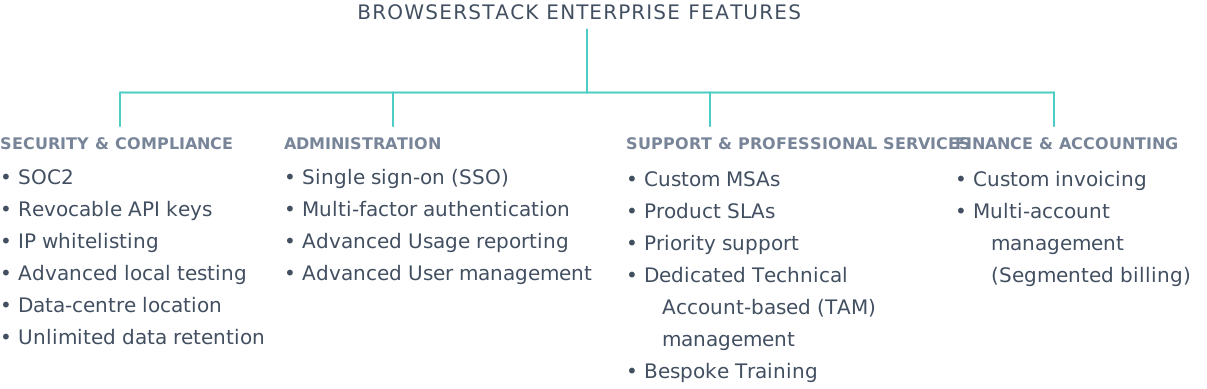 Pillars of the enterprise controls designed to clear security and compliance blockers
 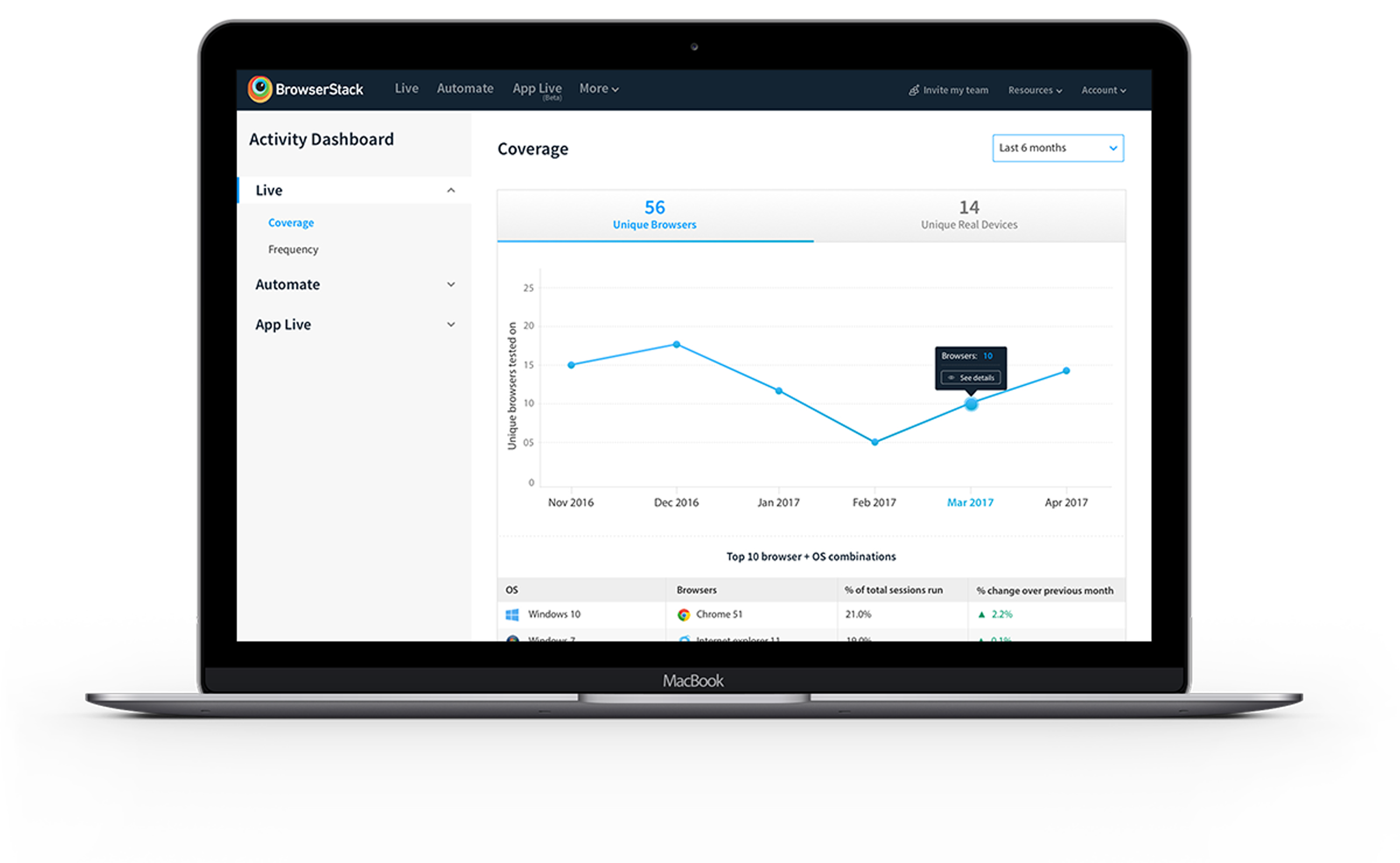 Usage reporting: account and team utilisation for renewal discussions
 Making the Enterprise offer easier to evaluate
I made the Enterprise offer easier to find and compare through changes to the pricing page and a dedicated landing page.
- Pricing Page Architecture: I overhauled the pricing page, bringing the Enterprise tier out from behind a buried "Contact Us" link and placing it side-by-side with standard plans. I also reordered the visual hierarchy to heavily emphasize annual billing benefits.
- The Buyer-Centric Landing Page: I designed a dedicated Enterprise landing page around the security and administration questions IT teams needed answered before approving a purchase.
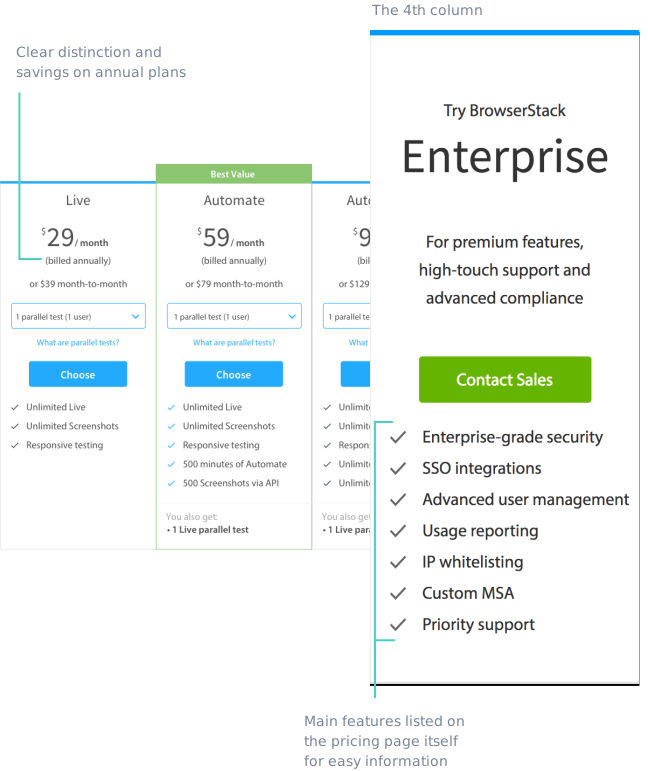 Restructured pricing architecture: Enterprise tier moved from buried "Contact Us" to side-by-side comparison
 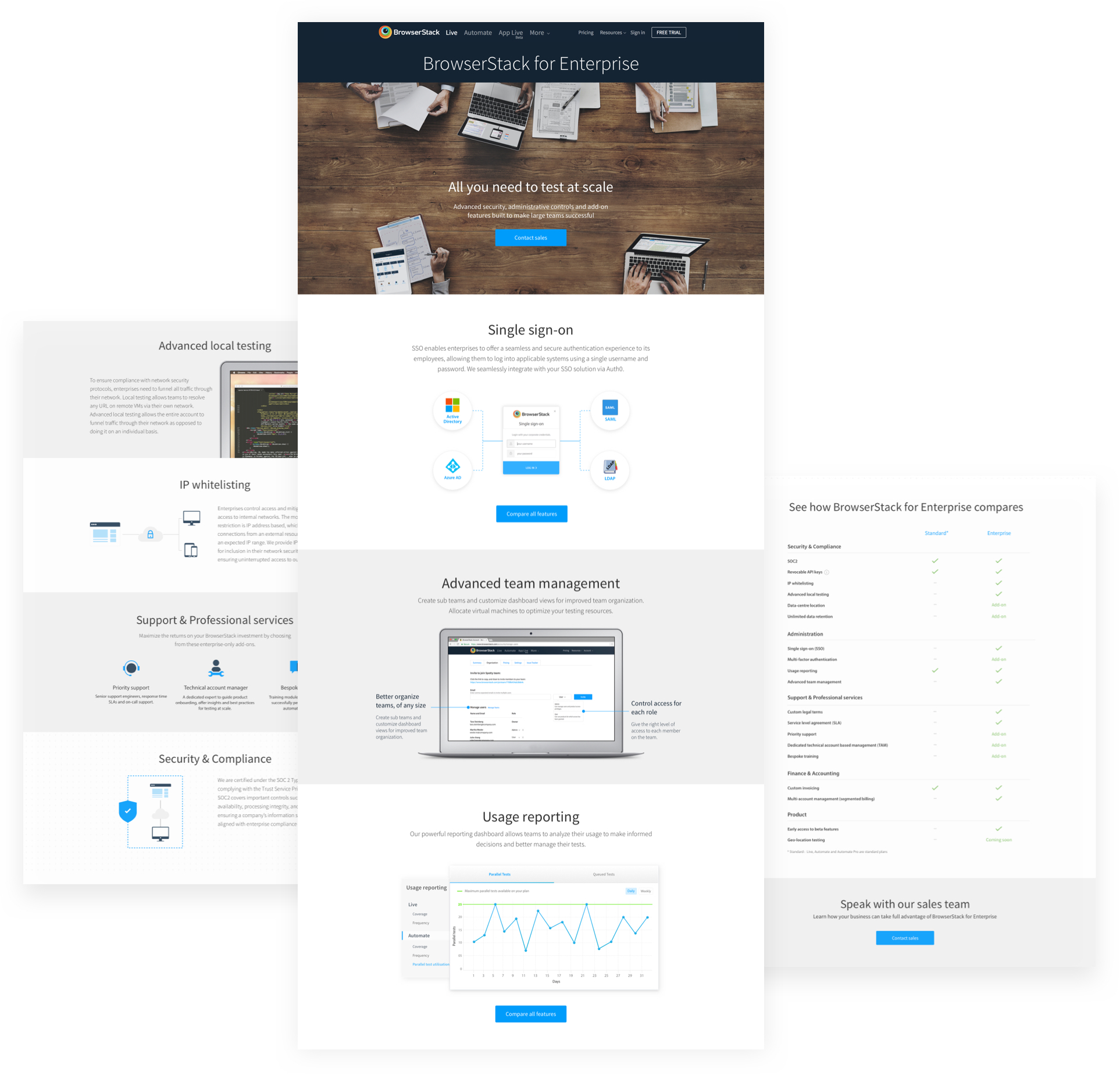 Dedicated enterprise landing page designed for IT and Security buyers, not developers
 Designing the Migration Paths
The migration covered 22,000 seats across three pricing versions. I designed both the product and communication experience for three scenarios: individuals joining company accounts, teams combining subscriptions and new enterprise onboarding. Preserving test data and session history was a requirement across all three. The communication needed to make the change understandable before customers encountered it in the product.
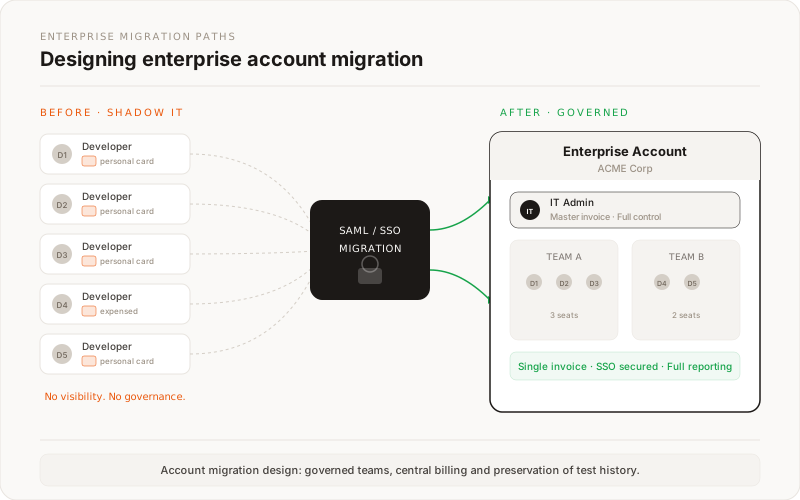 The account model behind the migration paths: individual accounts join governed teams with central billing. Preserving test history was a design requirement.
 What changed
The 2017 Enterprise edition added $3.6M in ARR within six months through new accounts and expansion. Product controls, the purchasing experience and sales worked together to open enterprise accounts that individual adoption alone could not reach.
The product and communication experience supported the migration of 22,000 seats into governed enterprise accounts, with approximately 0.01% of 16,900 customers reporting a lack of clarity about the change.
- Purchase and administration: Single sign-on and account controls addressed the requirements that had blocked enterprise adoption.
- A visible enterprise offer: Buyers could compare the Enterprise tier with standard plans and evaluate its security and administration capabilities.
- Evidence for renewals: Account and team usage reporting gave internal champions data for discussions with finance.
Reflection: The Scope of Design
This project changed how I approached customer research by showing that developers could value a product while their organisation still struggled to buy or administer it. Interviews with IT and procurement teams made it clear why account controls, pricing and migration needed to be designed together.