a little about me
I build design teams that make complex products clear and useful.
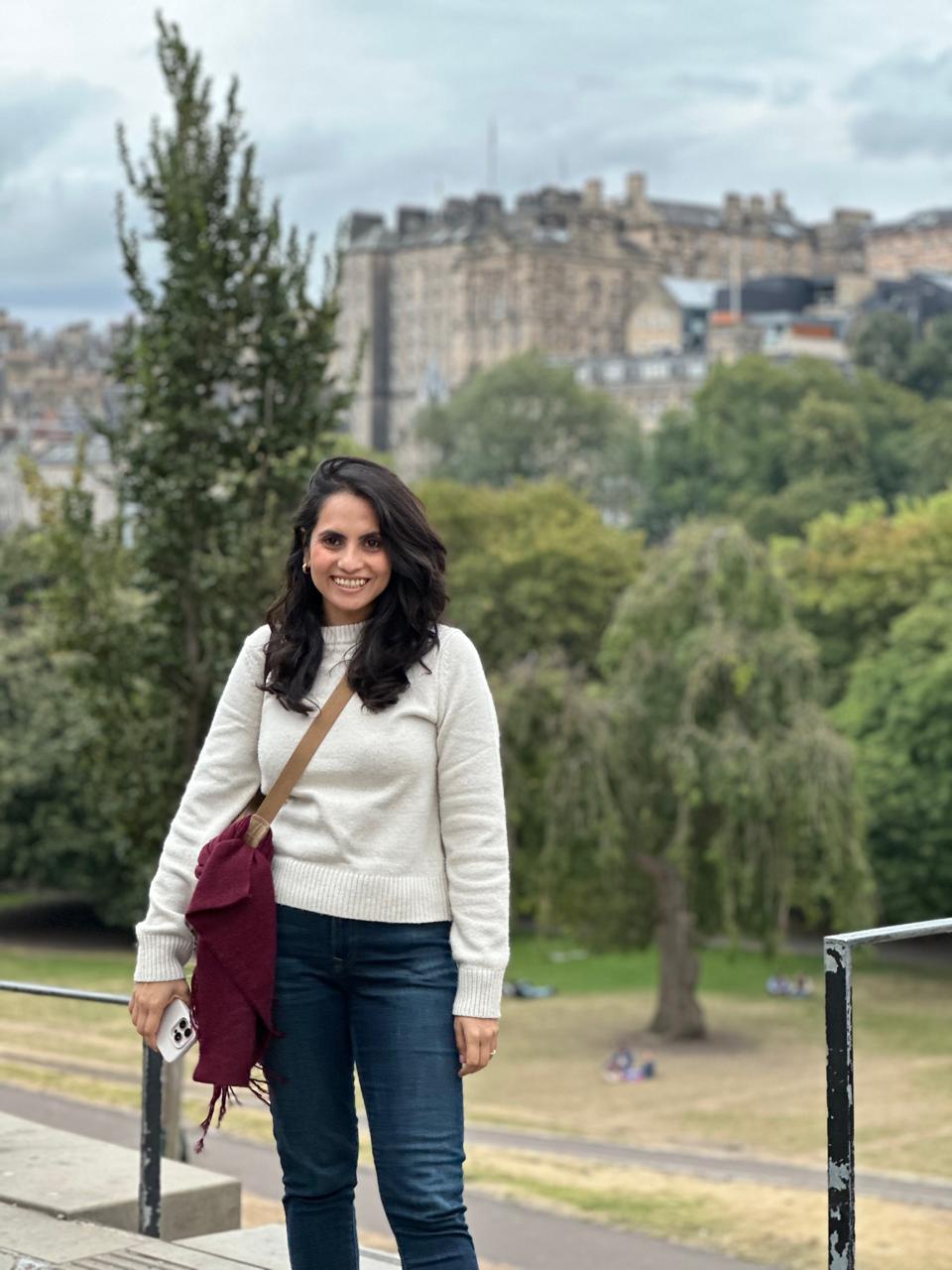
I am a design and product leader with 13+ years across consumer products and enterprise software. My work connects what customers need, what the business should invest in and how a team can deliver it. At Plivo, that has meant building the design function, shaping AI product direction and now also leading brand strategy.
I joined Plivo as its first in-house designer in July 2018. The console redesign established a shared design system across five product areas, and within three months, 70% of customers had switched to the new view and stayed. As the company grew, I built and managed a design team of up to 10 across product and marketing. I became Associate Director, Design in August 2020.
From 2023 to 2025, I led design strategy for consolidating four communication products into a shared platform, partnering with the CEO on AI product direction. The work involved decisions about which products to keep, how customers would move between them and how people could build AI agents with less technical help. With Vibe Agent, workflow building and testing fell from roughly one week to under one hour, including work by engineers preparing agents for enterprise trials.
Since September 2025, as Director, Design & Brand Strategy, I also lead Plivo’s voice AI positioning and a three-person brand team supported by four AI agents. I continue to shape voice AI product priorities through market insights and final-design critique. The partnership programme secured 11 live partnerships in four months, contributing to a 30% increase in the sign-up pipeline.
Before Plivo, I led design for BrowserStack’s 2017 Enterprise edition, working with the CEO and product manager on account controls, pricing and migration. The launch added $3.6M in ARR within six months through new accounts and expansion. It taught me to look beyond the person using a product to the people responsible for buying and managing it.
My foundation is in visual and communication design. At 22 Feet Tribal Worldwide, I worked on brands including Titan, Kingfisher and Mahindra. At TrulyMadly, I was the sole designer, running research, improving design-to-QA processes and shipping features across Android and iOS. That mix still shapes how I think about products: how they work, how they are understood and why someone would choose them.
How I work
Choose where to invest.
Platform work at Plivo meant deciding which products to consolidate or retire, as well as what to build next. A shared interface alone would not resolve overlapping investments.
Understand the buying decision.
At BrowserStack, developers already valued the product. Research with IT and procurement leaders showed us the controls and purchasing experience their organisations needed before they could commit.
Let evidence change the plan.
Support-team interviews challenged our Salesforce-only plan for Plivo’s contact center. I recommended Zendesk and Freshdesk integrations and aligned leadership around the helpdesks customers already used.
Build judgment across the team.
Design reviews are where we discuss why a choice works, the tradeoffs it creates and what needs to be tested. Coaching designers to make those calls gives them room to own more of the product.
Life outside work
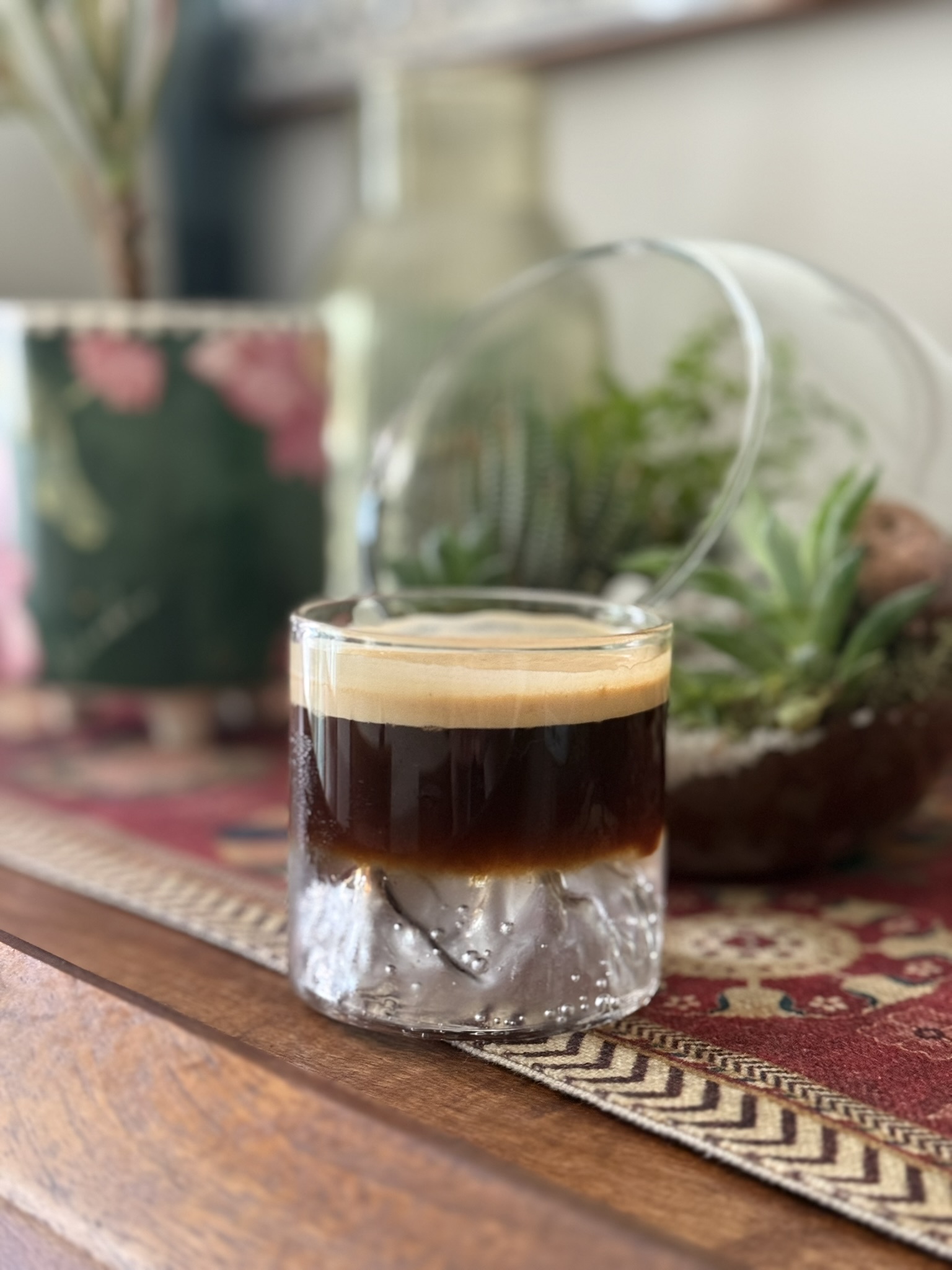
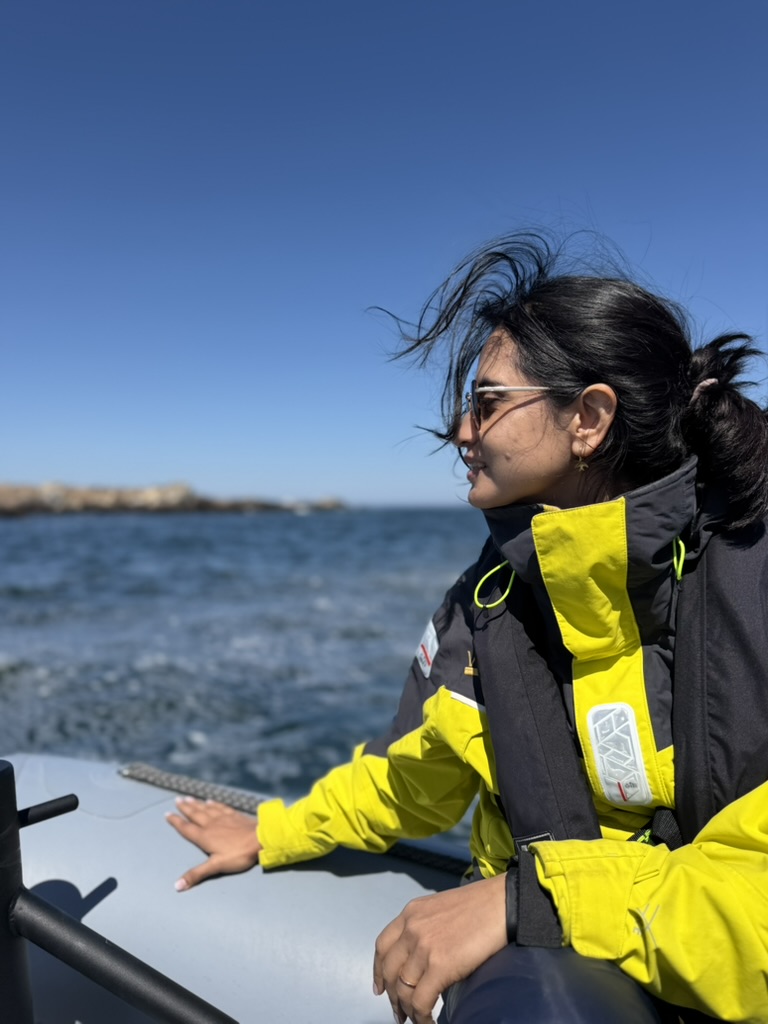
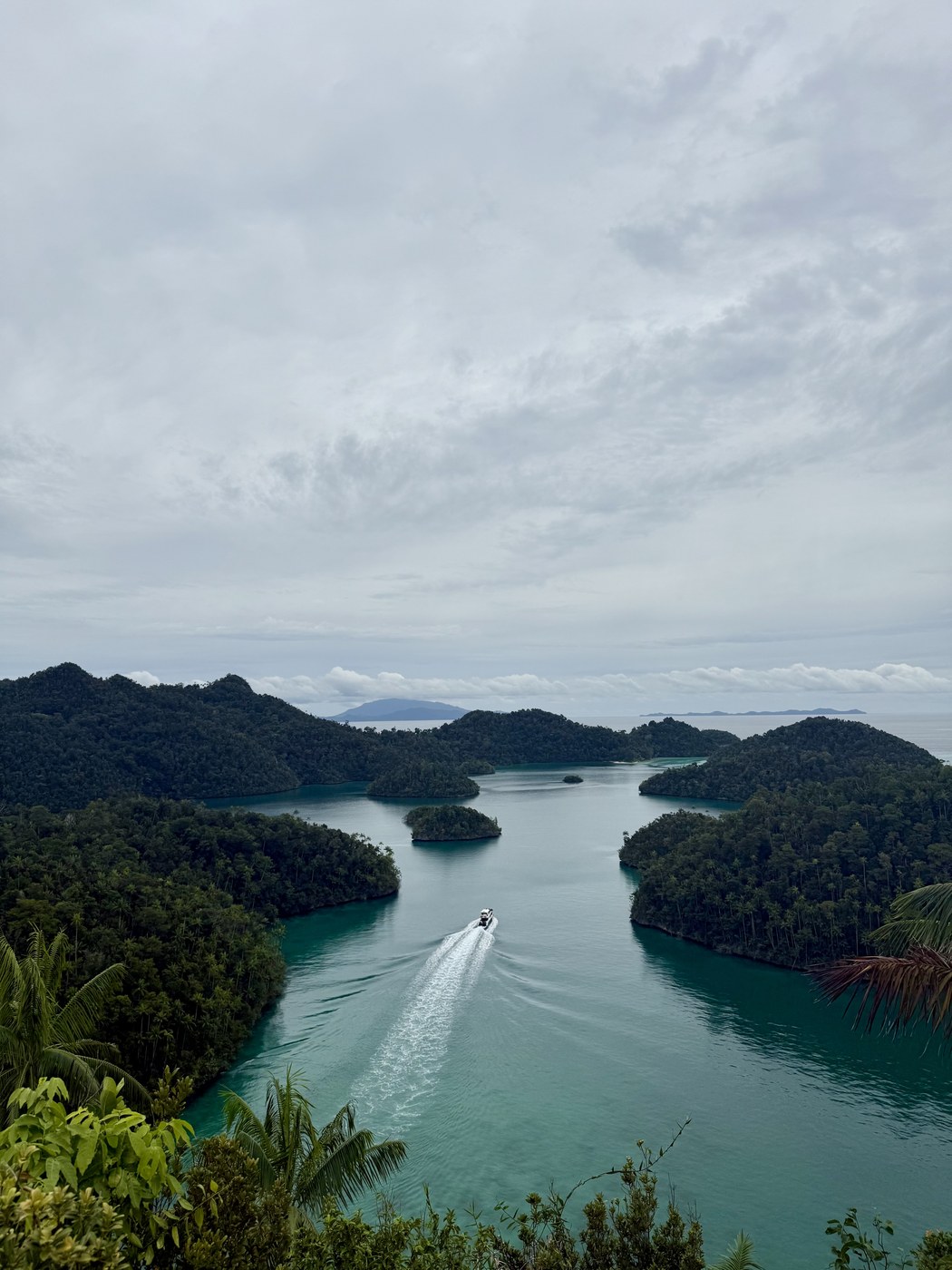
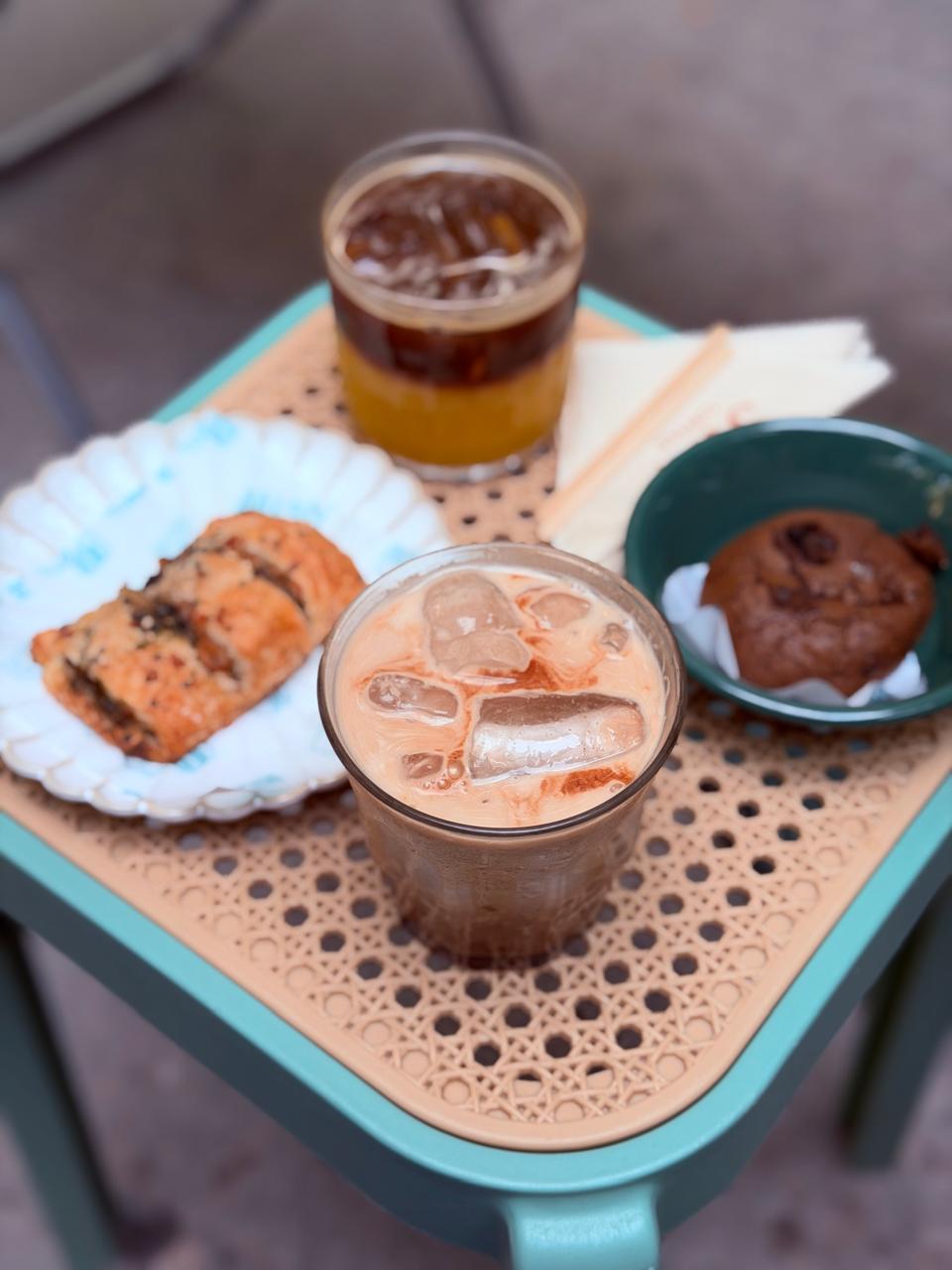
I am a certified scuba diver, and I enjoy travelling at a pace that lets me get to know a place and its local coffee shops. Back in Bangalore, I like exploring new cafés and finding quaint, quiet spaces tucked into the bustle of the city. I bake more than I cook and have a soft spot for a good espresso tonic.